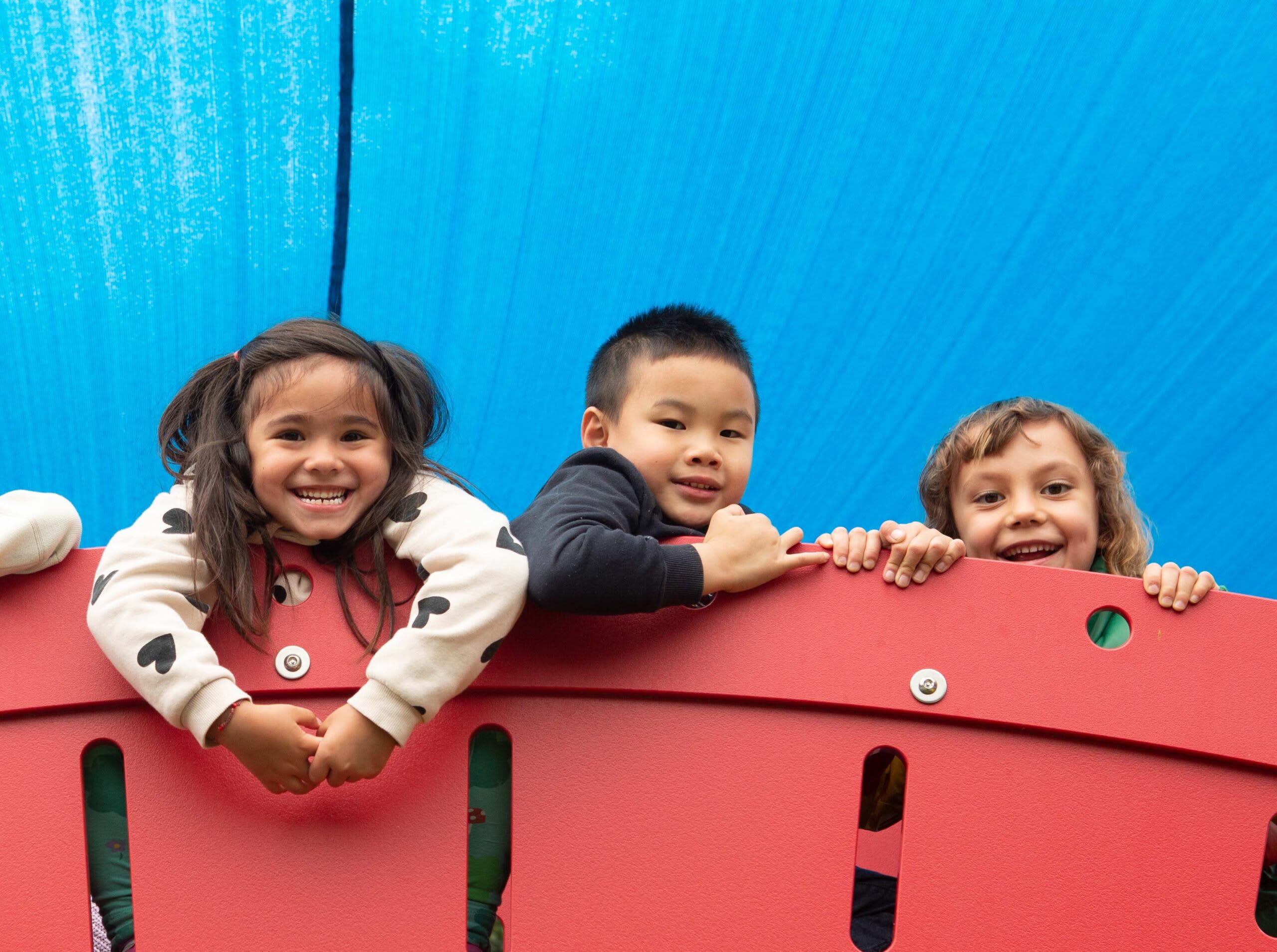


Children learn a great deal outdoors that is hard to teach inside: how far they can climb, how a seed becomes a plant, how to share a ball with ten other people. Outdoor learning isn't only break time. It is part of how young children are meant to learn.
What the guidance says
- The EYFS requires early years settings in England to give children access to an outdoor play area or, where that isn't possible, to plan outdoor activities every day.
- The World Health Organization (2019) recommends that children aged three and four spend at least three hours a day in a variety of physical activities, including at least an hour of energetic play.
- The English National Curriculum brings the outdoors into lessons from Year 1, with science units on plants, animals and the seasons, and physical education at every key stage.
What children gain
- Movement and coordination: running, climbing, balancing and throwing build the strength that later supports handwriting and sitting still.
- Confidence with risk: judging a jump or a climb, with an adult nearby, teaches children their own limits.
- Science in context: weather, soil, insects and plants are easier to understand when you can touch them.
- Language: outdoor play is full of negotiation, description and stories.
- Wellbeing: fresh air, daylight and space to move help many children concentrate when they come back inside.
Nairobi's advantage
Nairobi's mild climate at altitude means children can learn outdoors for most of the year. Plan for the long rains (roughly March to May) and the short rains (roughly October to December), and for strong sun: hats and sunscreen matter at altitude.
What to look for on a school visit
- Is outdoor space used for lessons, or only for break?
- Is there shade, and a plan for wet weather?
- How often does each class go outside, and for how long?
- How are children supervised outdoors?
At Elyton
Elyton's campus in Karen has playing fields and outdoor activity areas, a 400-metre all-weather athletics track, green grounds and a swimming pool, where swimming is taught on our own campus. See it on our campus page, or walk it on a private tour.
Questions parents ask
Does the EYFS require outdoor learning?
Yes. The EYFS requires early years settings in England to give children access to an outdoor play area or, where that isn't possible, to plan outdoor activities every day.
How much physical activity do three- and four-year-olds need?
The World Health Organization recommends at least three hours a day of varied physical activity for children aged three and four, including at least an hour of energetic play.