
The Early Years Foundation Stage (EYFS) is the framework British-curriculum schools use for young children before Year 1. It sets the standards for learning, development and care, and it is built on one idea: young children learn best through play that adults plan carefully and take part in.
The seven areas of learning
The EYFS groups learning into seven areas.
Three prime areas, the foundations everything else rests on:
- Communication and language
- Personal, social and emotional development
- Physical development
Four specific areas, which grow out of the prime ones:
- Literacy
- Mathematics
- Understanding the world
- Expressive arts and design
For the youngest children, the prime areas carry most of the weight. The specific areas grow in importance towards Reception.
What it looks like in a classroom
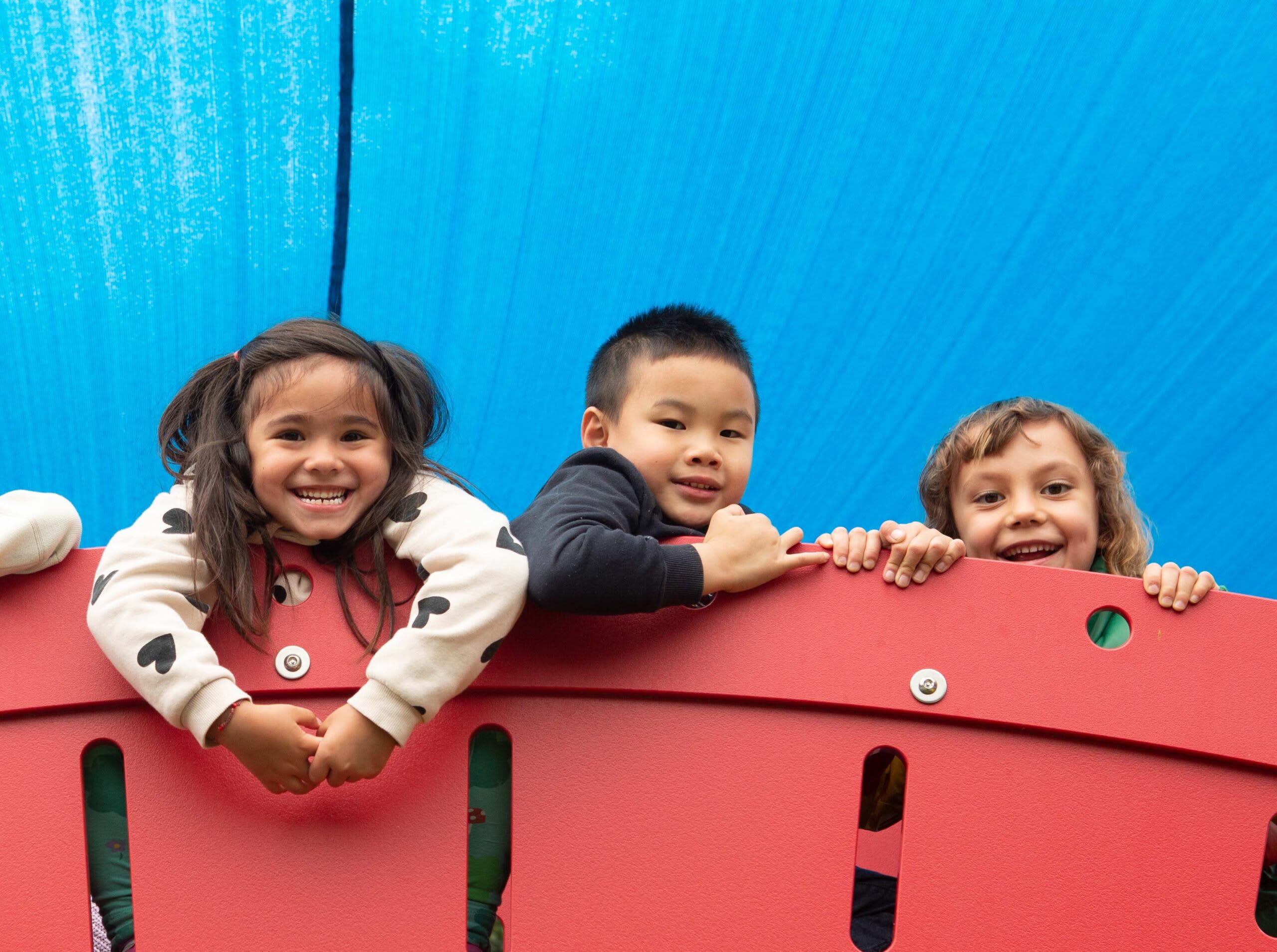
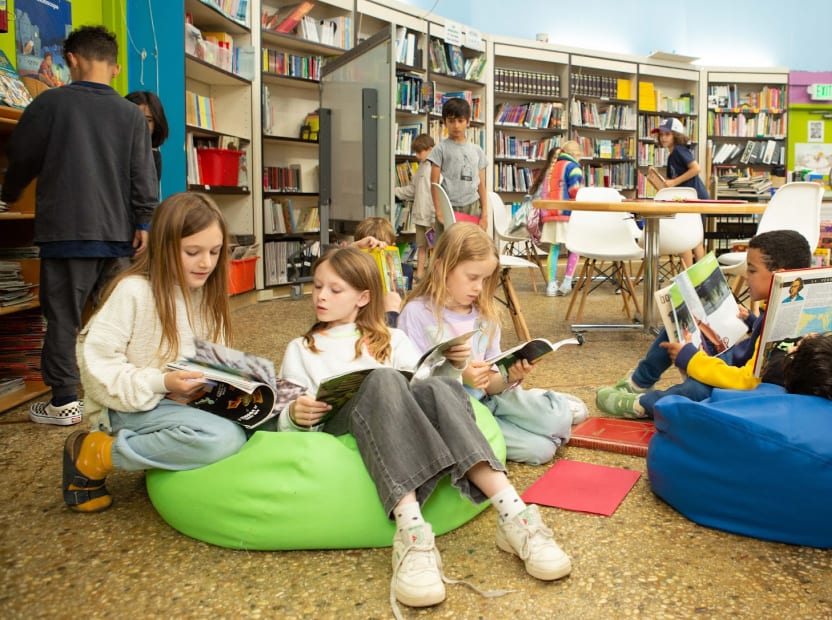
You will see children building, painting, singing, role-playing, counting real objects, and spending long stretches outdoors. You will also see short, focused sessions, on sounds and letters or on number, that grow longer as children get older. The play is deliberate: each activity is chosen for what it teaches.
How progress is assessed
Teachers observe children as they play and learn, rather than testing them. By the end of Reception, the EYFS describes early learning goals across the seven areas, and teachers report how each child is developing towards them. This tells Year 1 teachers where each child is starting.
Why it matters
The early years shape attitudes to learning as much as knowledge. A child who learns that school is a place of curiosity and belonging carries that into Year 1 and beyond.
At Elyton
Our Early Years run from Crèche through Playgroup, Nursery and Reception, in a wing of their own, with classes capped at twenty-five. See the Early Years overview.